
What is Plastering Calculation ?
What is Plastering Calculation
6/24/20261 min read
What is Plastering Calculation?
Plastering calculation is the process of estimating the quantity of materials such as cement, sand, and water required to plaster a wall or ceiling. It helps determine the total material consumption and project cost based on the surface area, plaster thickness, and mix ratio.
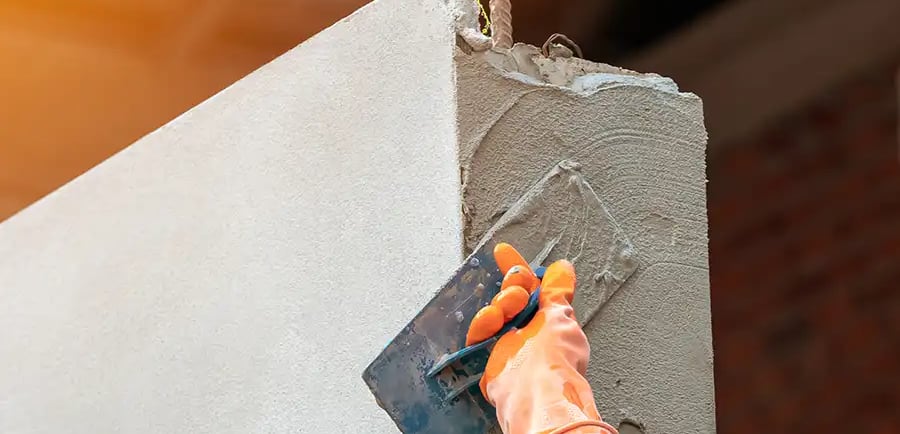
Plaster is a blend of cement, sand, and water that is applied to brick, block, or concrete surfaces to create a smooth, durable, and attractive finish. Besides improving the appearance of a building, plastering also protects walls from moisture, rain, cracks, and other environmental damage. It strengthens the surface, covers imperfections, and increases the overall lifespan of the structure.
Accurate plastering calculations help minimize material wastage, improve budgeting, and ensure that the right quantity of materials is available before construction begins.
Requirements of good plaster
It should adhere to the background and should remain adhered during all climatic changes.
It should be cheap and economical.
It should be hard and durable.
It should be possible to apply it during all weather conditions.
It should effectively check the entry or penetration of moisture from the surfaces.
It should possess good workability.
Strength of plastering
Architects refer the following concrete code table in drawing. Knowing this table will help you in deciding the proportion of cement, sand and gravel in Plastering.
Plaster typeDescription
12 MM thick cement plaster is done where the plain surface of brick masonry is plastered.
15 MM cement plaster is required on the rough side of 9” and 4.5” wall.
18 MM thick cement plaster with neat cement slurry is required for making ‘Dado’ with the cement concrete flooring.
20 MM thick cement plaster is done in two coats in some cases on rough side of wall or according to the design requirement.